Partners in Action: A Community Exhibition
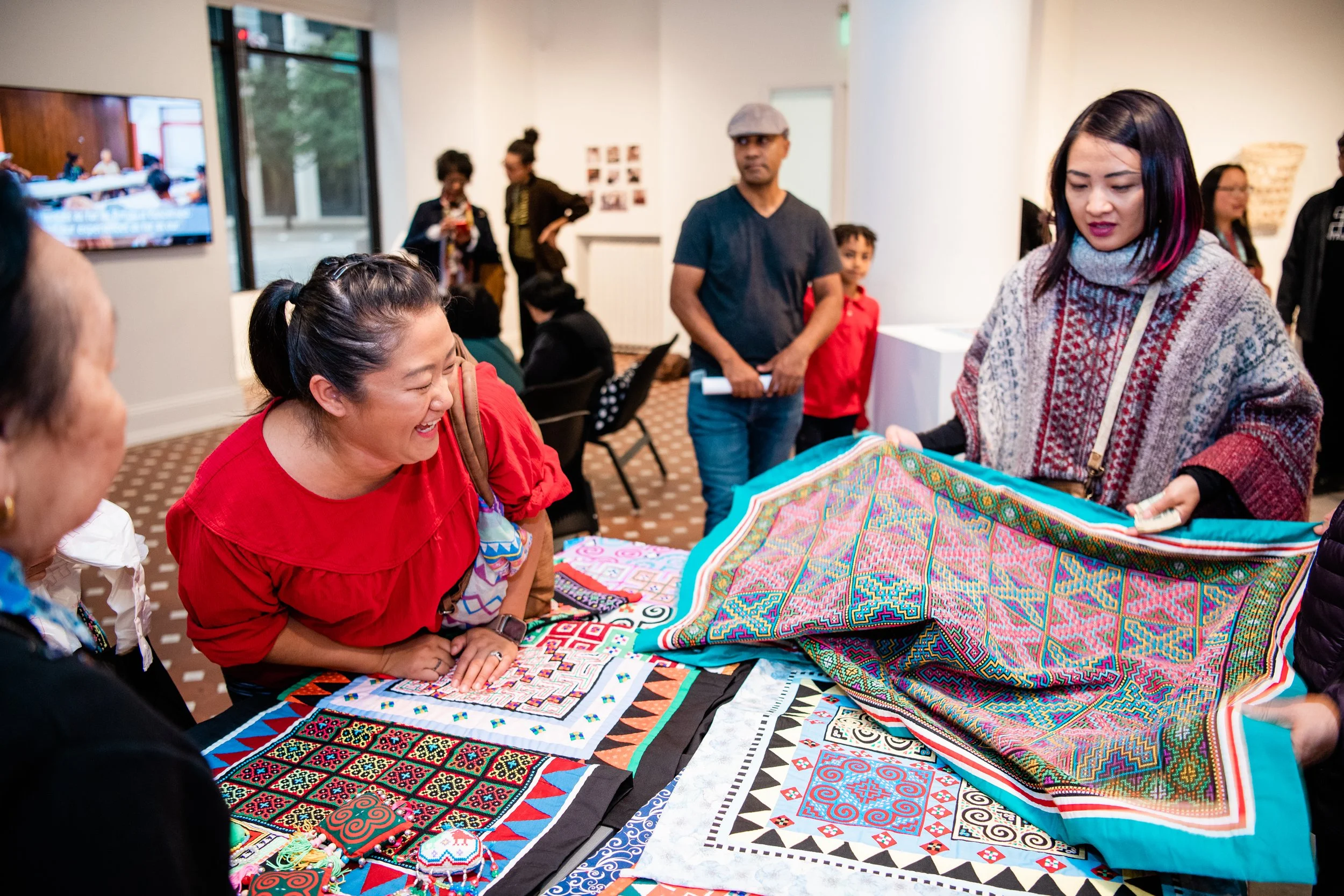
This exhibit in partnership with the Minnesota Museum of American Art and the Hmong Elder Center, brings traditional Hmong craft to the walls of a museum. With the hope to inspire appreciation of the art of every day objects and celebrate the skill and craftsmanship of Hmong elders.
Hmong Elder Center
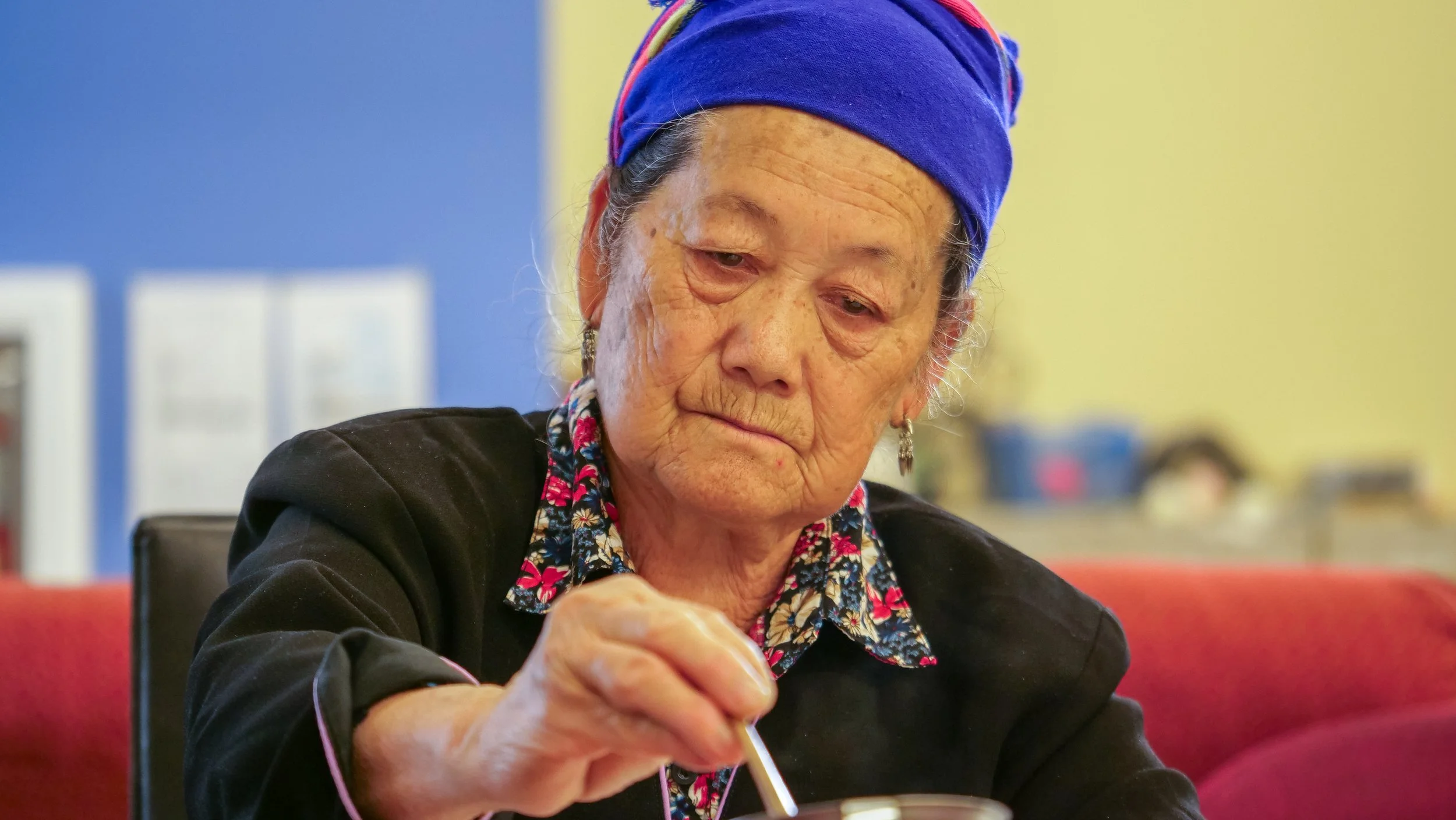
Illean Her, Chief Executive Officer of Hmong Elder Center, enjoys seeing Hmong elders feel valued -- it's part of her organization's mission. Established in 2007, the Hmong Elder Center is a safe and welcoming community for men and women ages 65 and older. Aging in America has been an isolating experience for many Hmong elders. In Laos, they would have been living closely among relatives. They would understand the language and have valuable skills to contribute to their family.
At the Hmong Elder Center, Illean brings engaging activities to its members such as dancing and games. They focus on health and well-being. Illean also has a passion to share the art & stories of the elders, therefore she was thrilled to bring the Partners in Action program to the members of Hmong Elder Center.
About the Artists
The Hmong men and women of Hmong Elder Center, who created these one-of-a-kind pieces, do not consider themselves artists. As they see it, a basket or a batik skirt are just every day objects of life. As each piece was designed and carefully crafted, the beauty can only be described as art.
The artist's greatest hope is for younger generations to learn the craft and carry on the tradition. This motivator propelled the artist to showcase at the Minnesota Museum of American Art, not only to make this art accessible to all, but to speak to Hmong youth in an environment where tradition is also worthy of admiration.
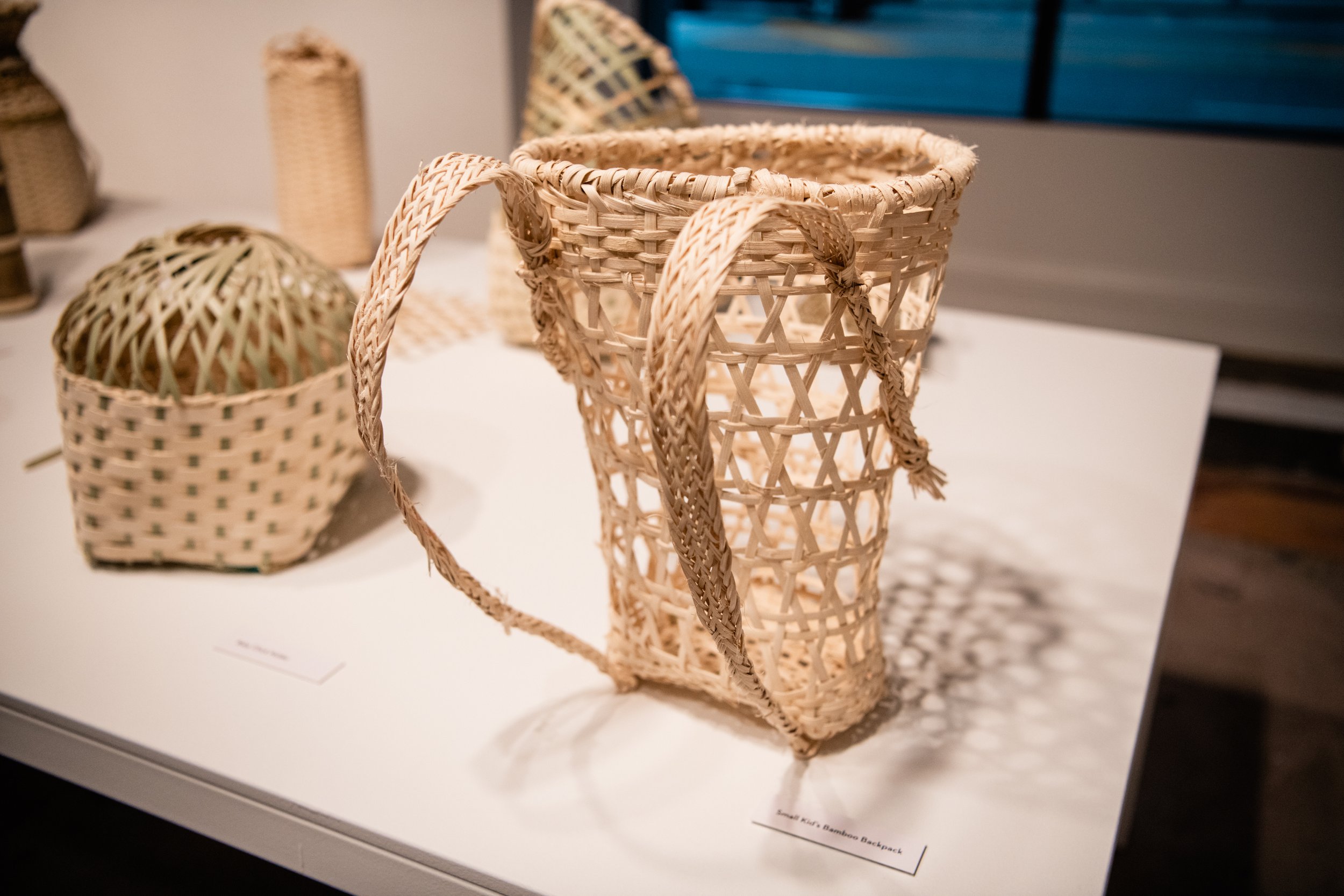
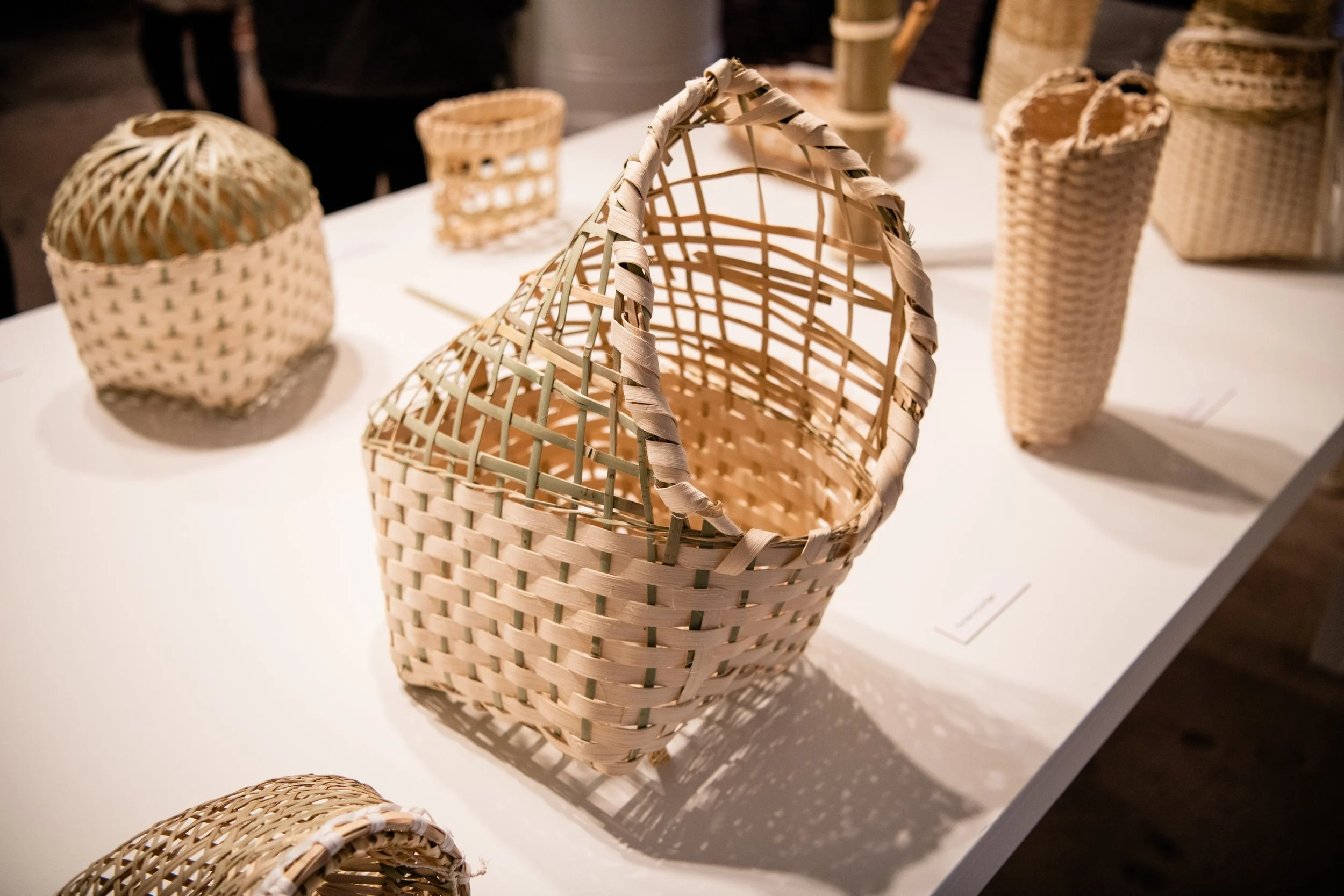
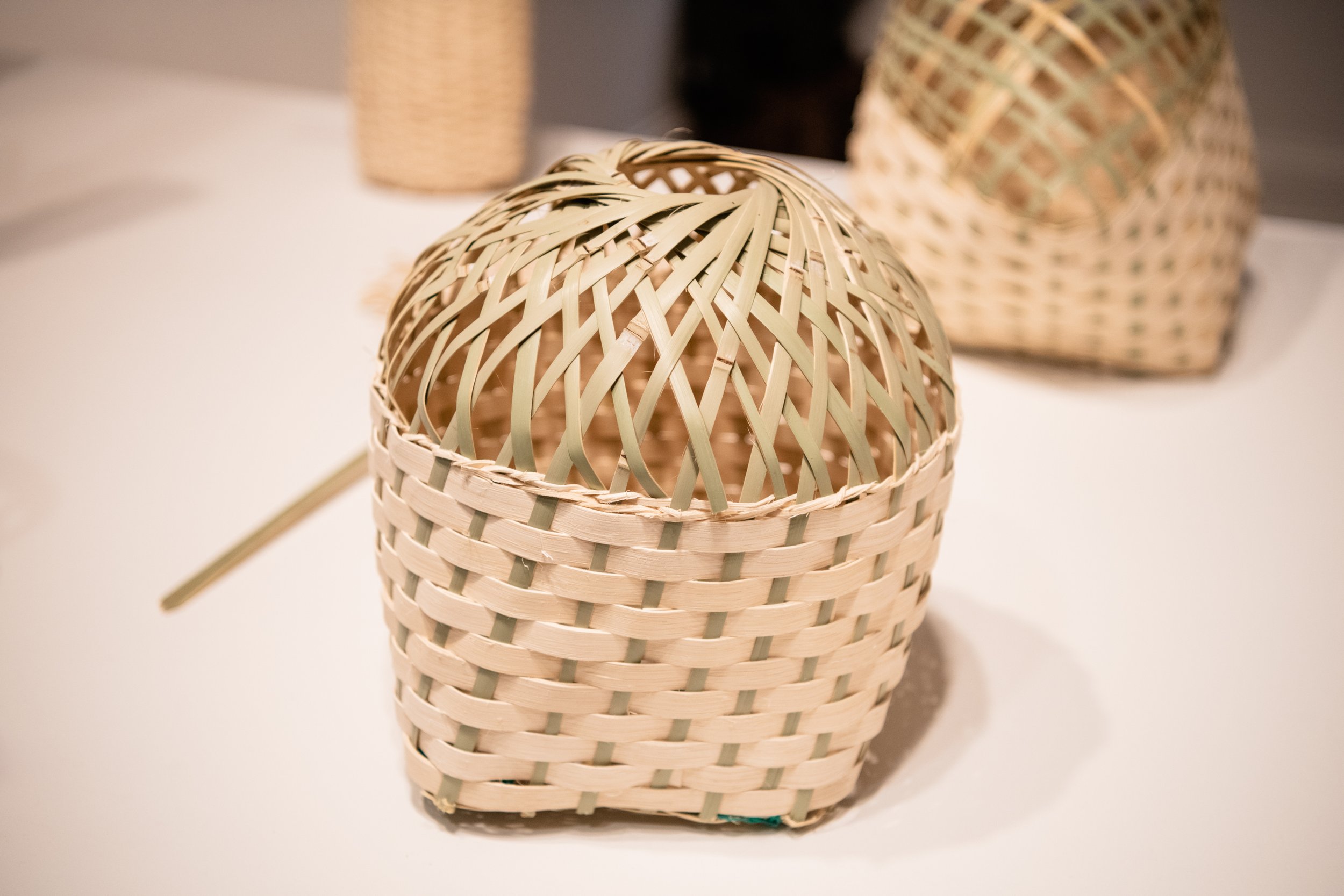
Left Behind: The Craft of Basketweaving
The Hmong men and women of Hmong Elder Center, who created these one-of-a-kind pieces, do not consider themselves artists. As they see it, a basket or a batik skirt are just every day objects of life. As each piece was designed and carefully crafted, the beauty can only be described as art.
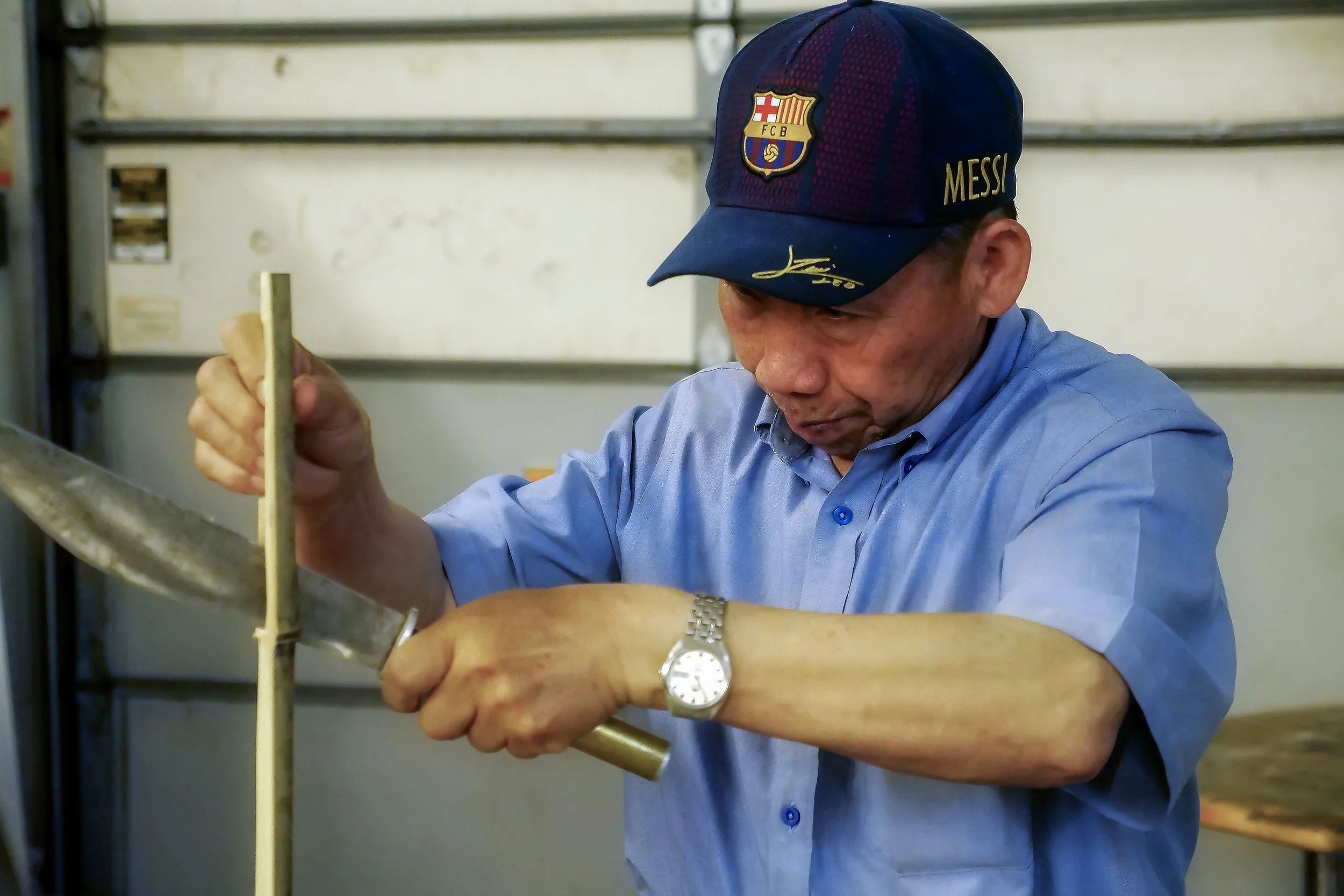
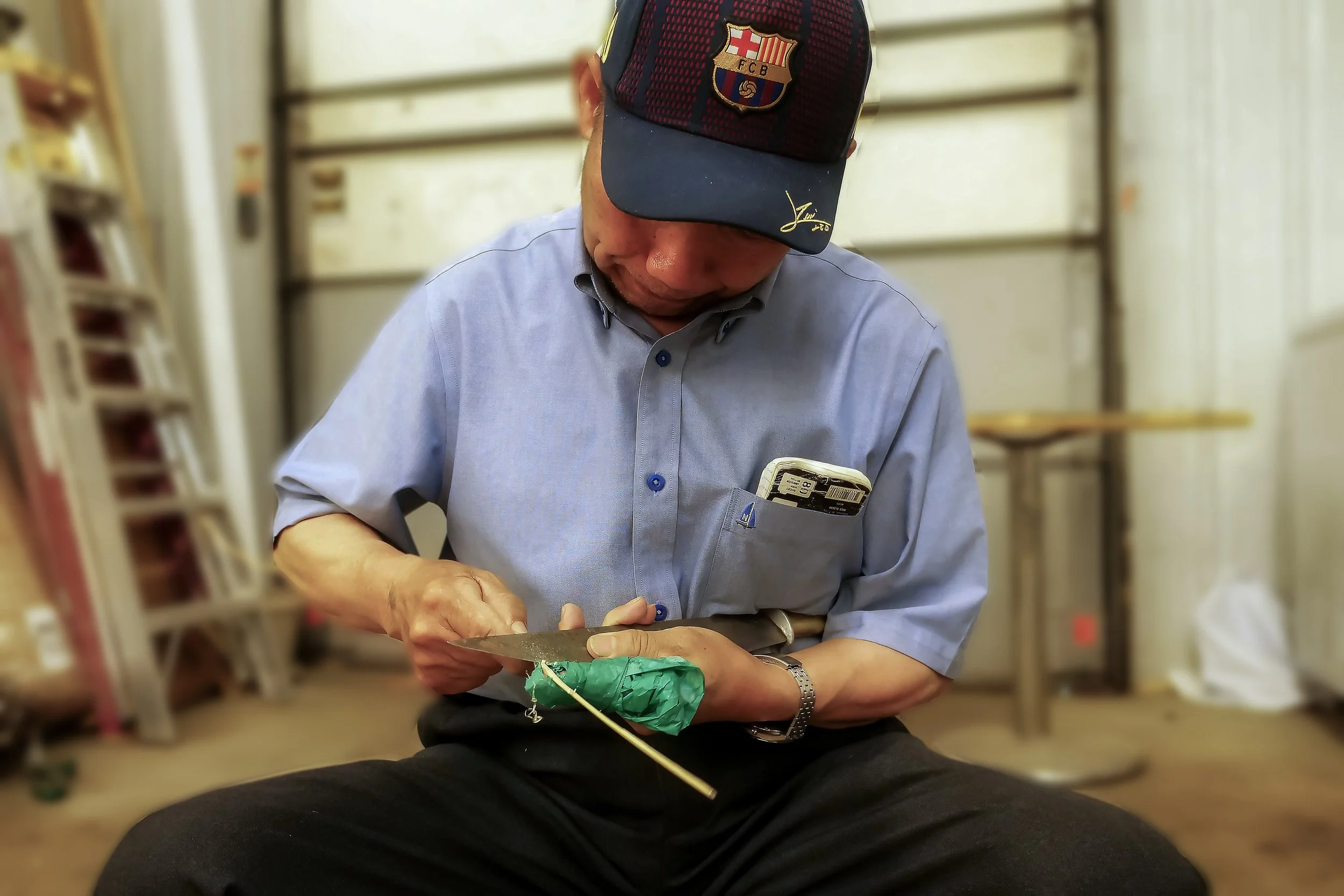
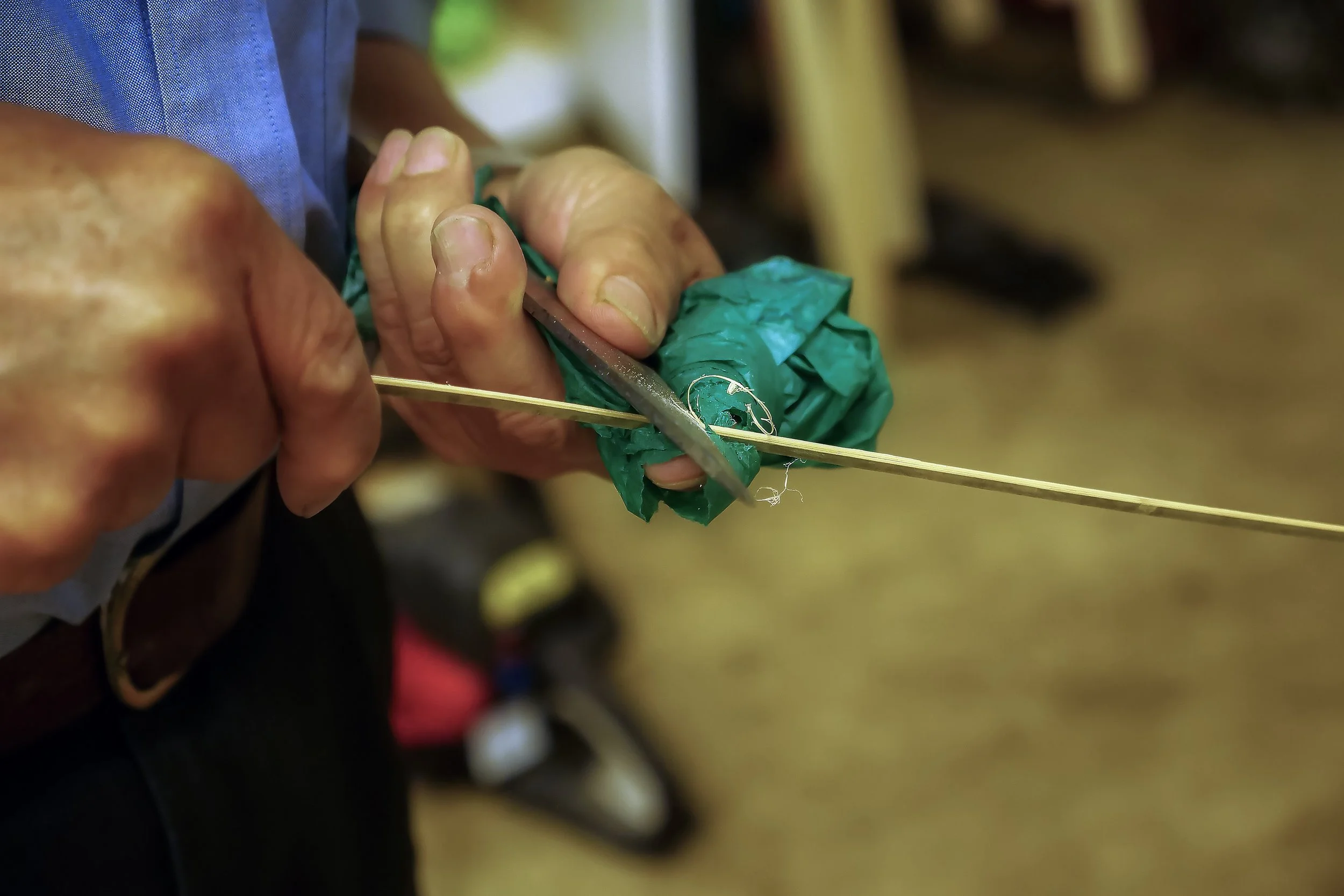
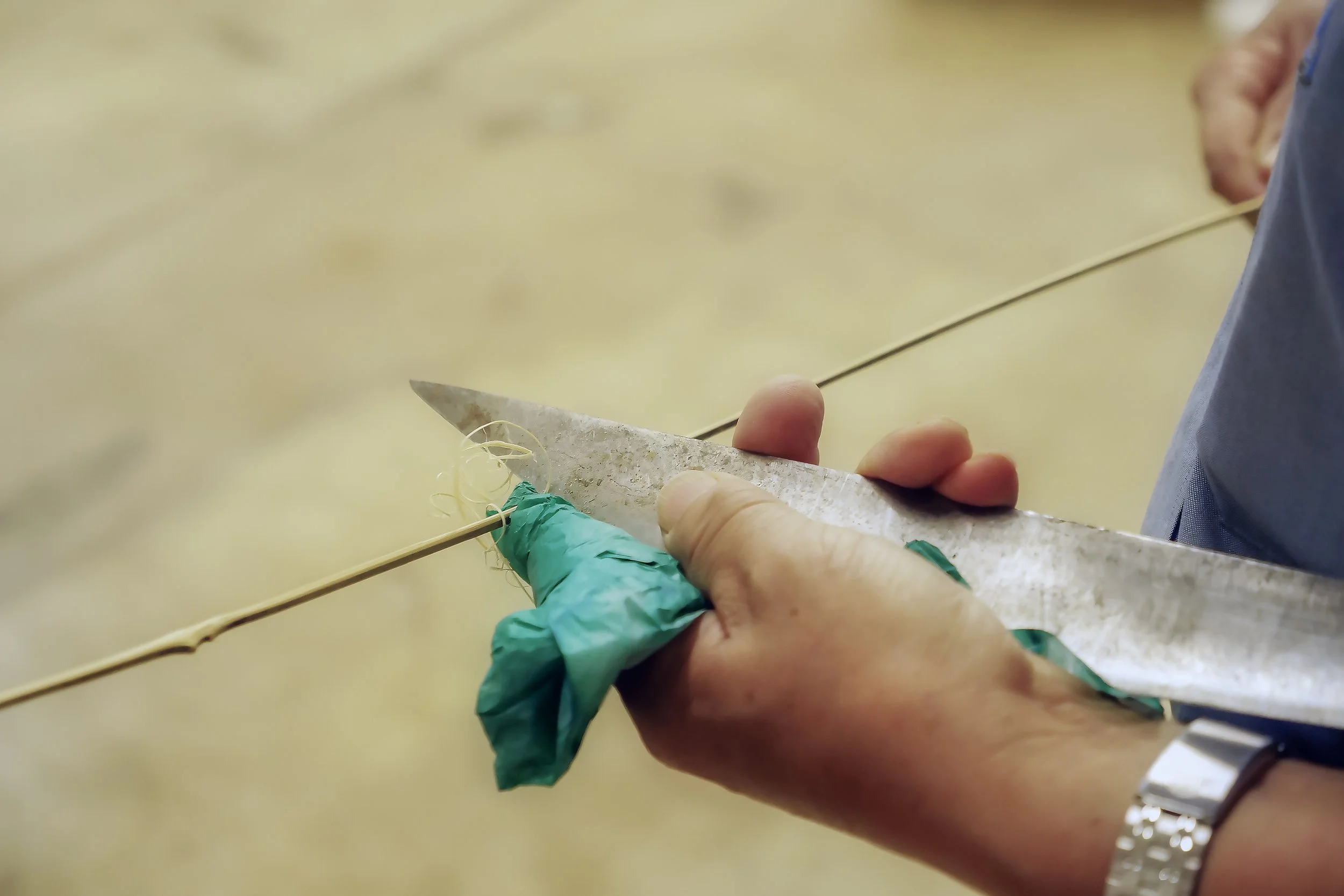
Through this program, the artists discovered an even bigger barrier returning to basketweaving: access to tools and materials. It took a few attempts before the Hmong elders from the Hmong Elder Center were able to acquire the proper tools and bamboo to create these beautiful pieces. The initial shipment of bamboo, shipped from a friend in Georgia, was too hard to flex. Another shipment of younger and wider bamboo had to be requested.
The Hmong men, who handcrafted the pieces, initially felt they would not remember how to basketweave. But shortly after receiving the proper materials and tools, they smiled at how quickly they remembered how to mold and string together the bamboo pieces.
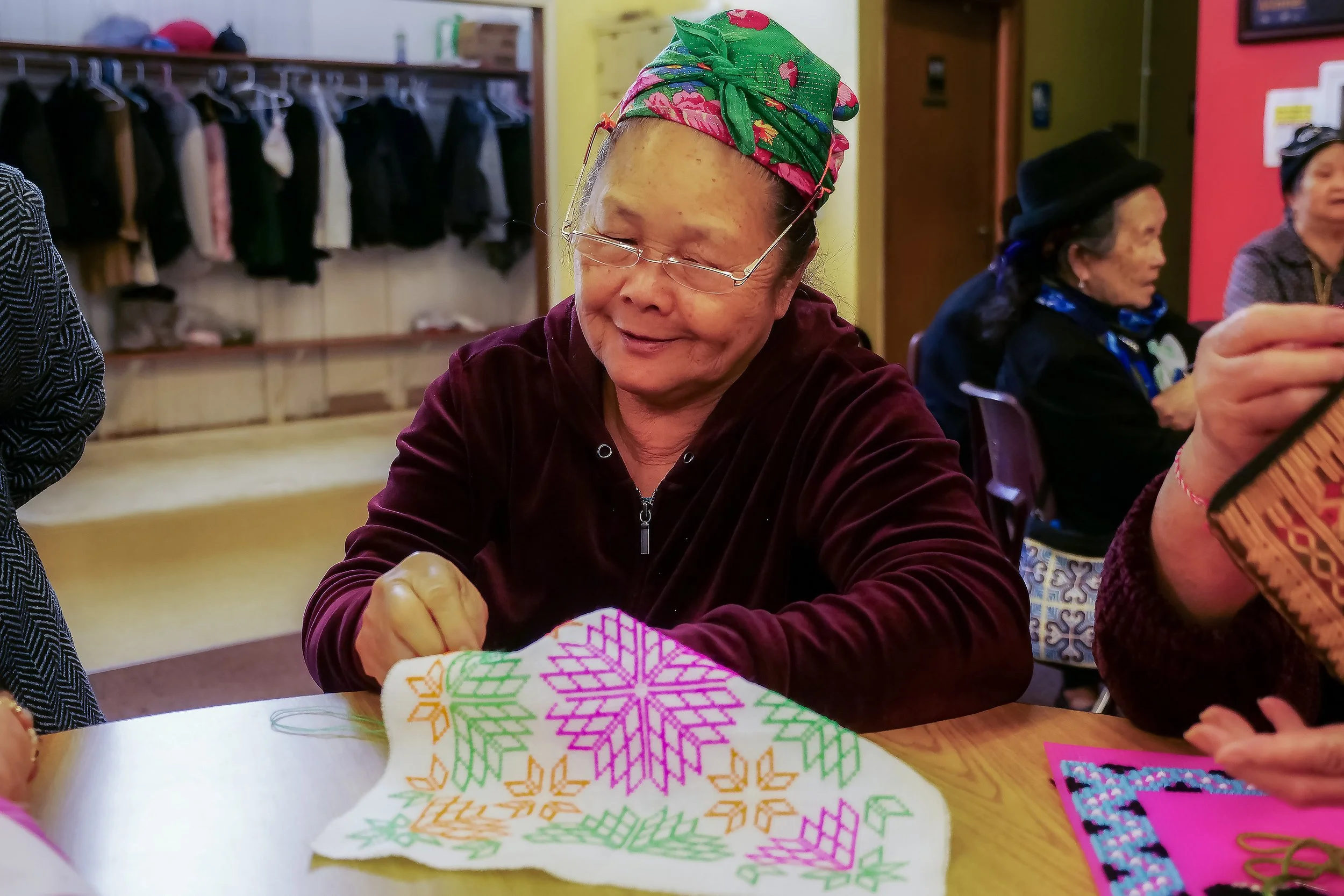
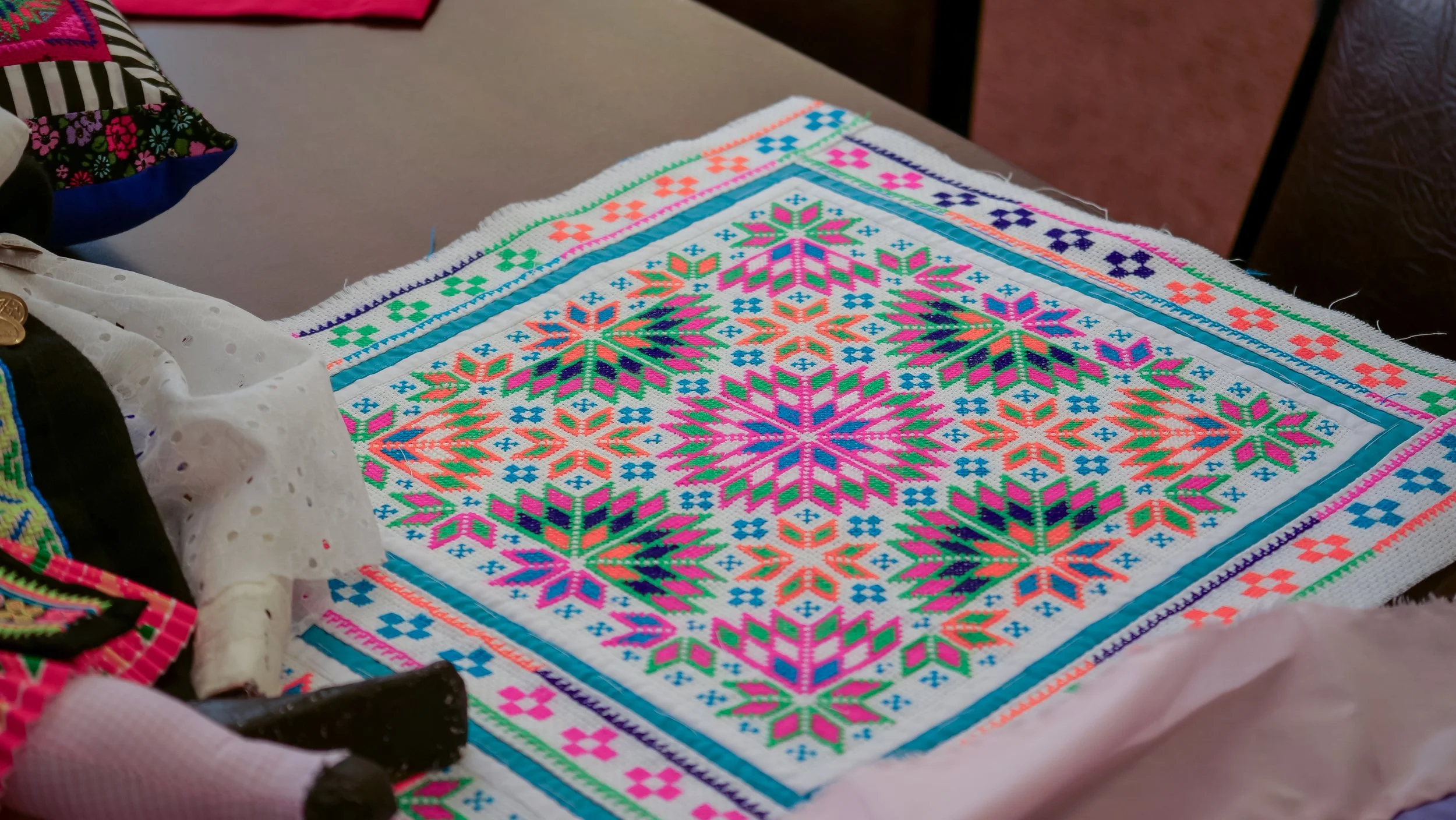
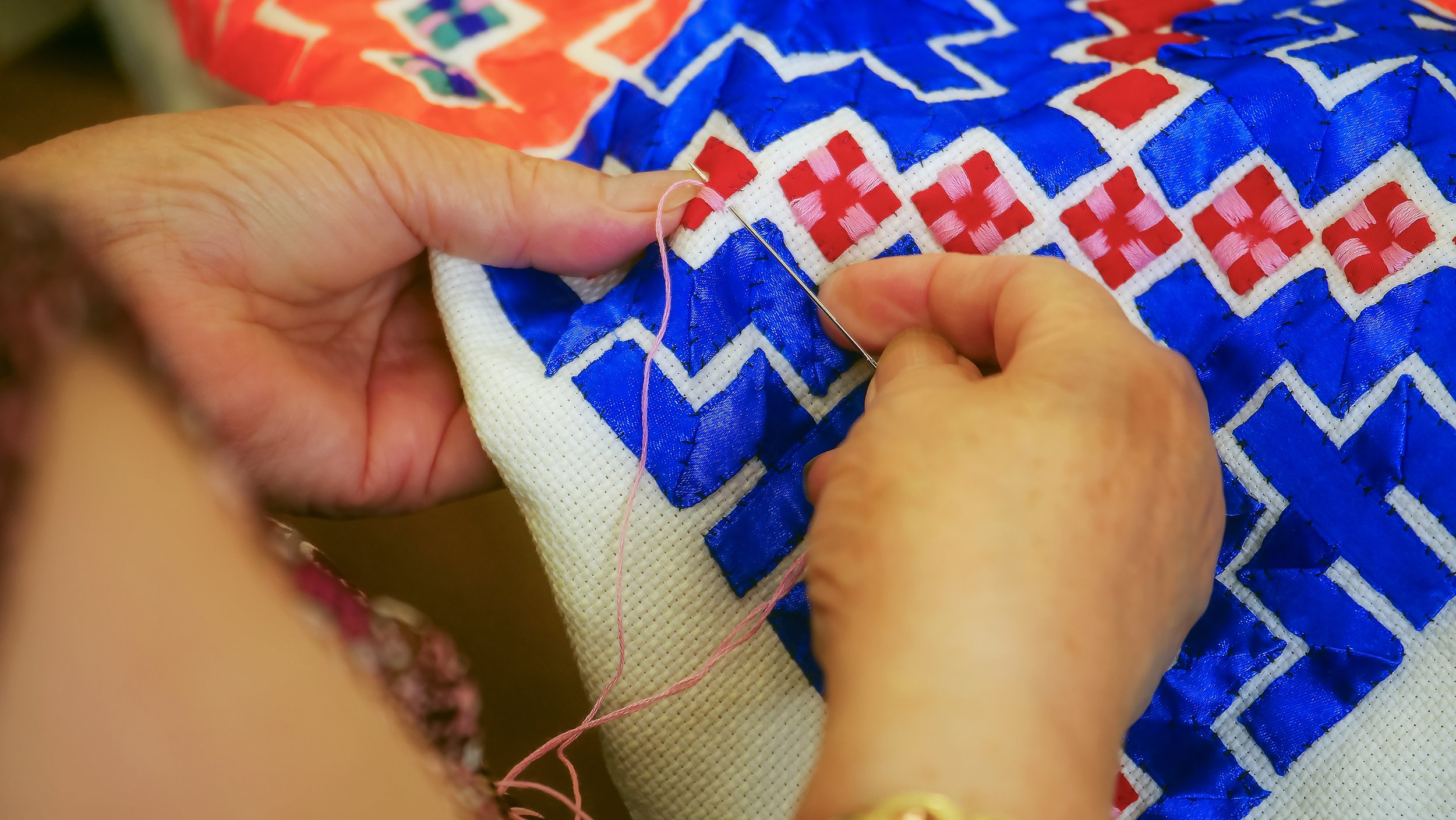
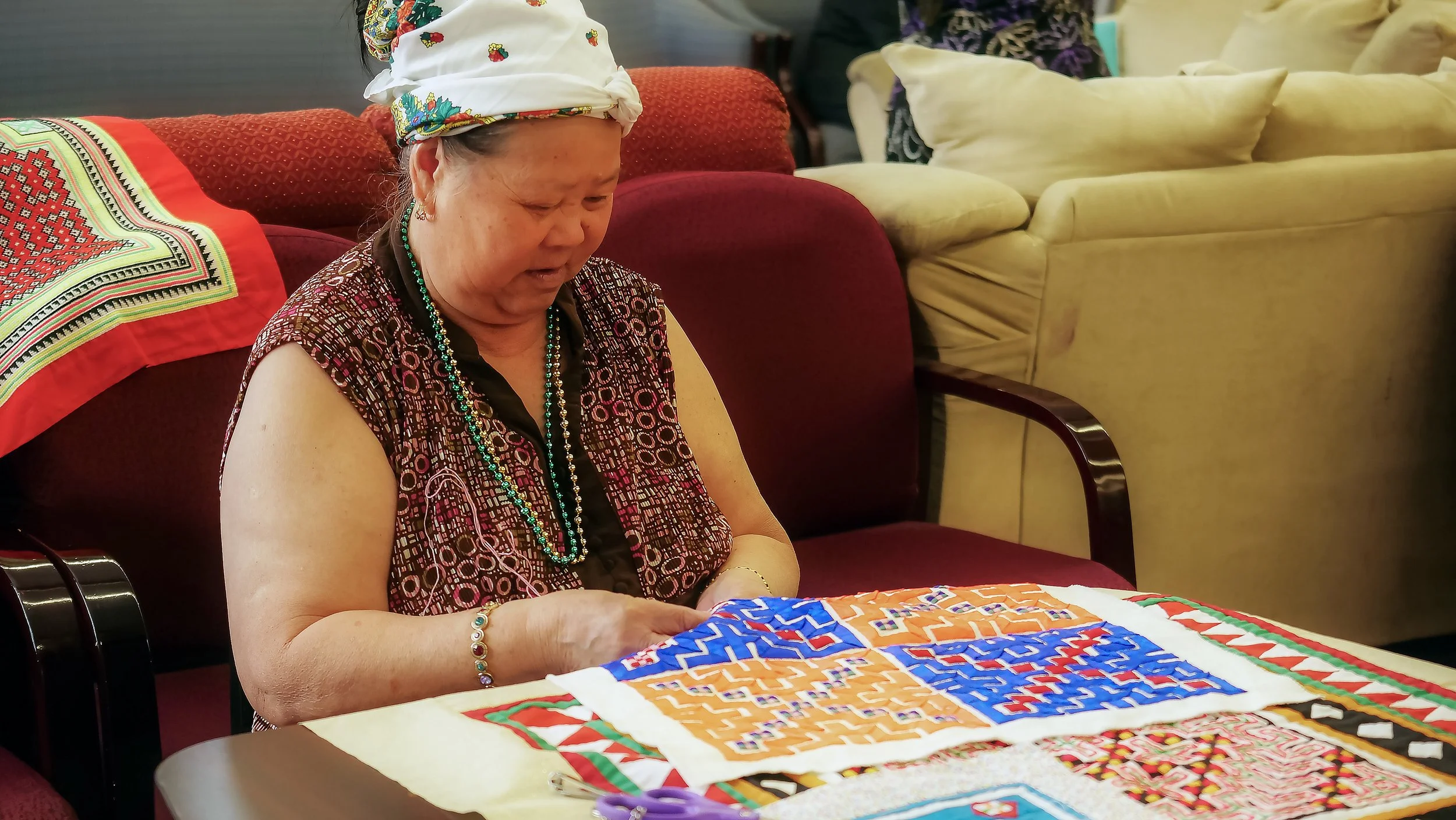
Preserving Hmong identity and culture with every stitch
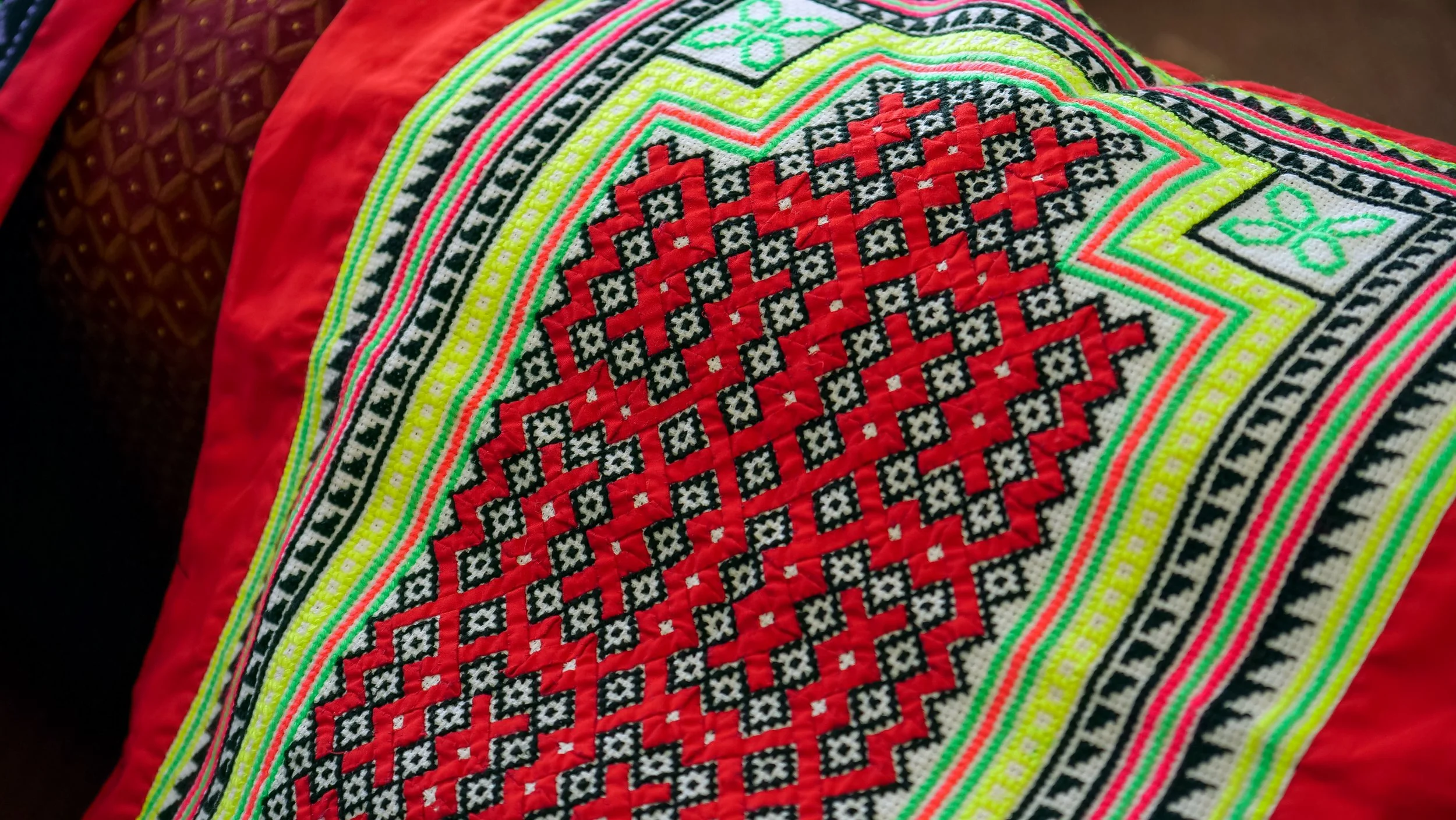
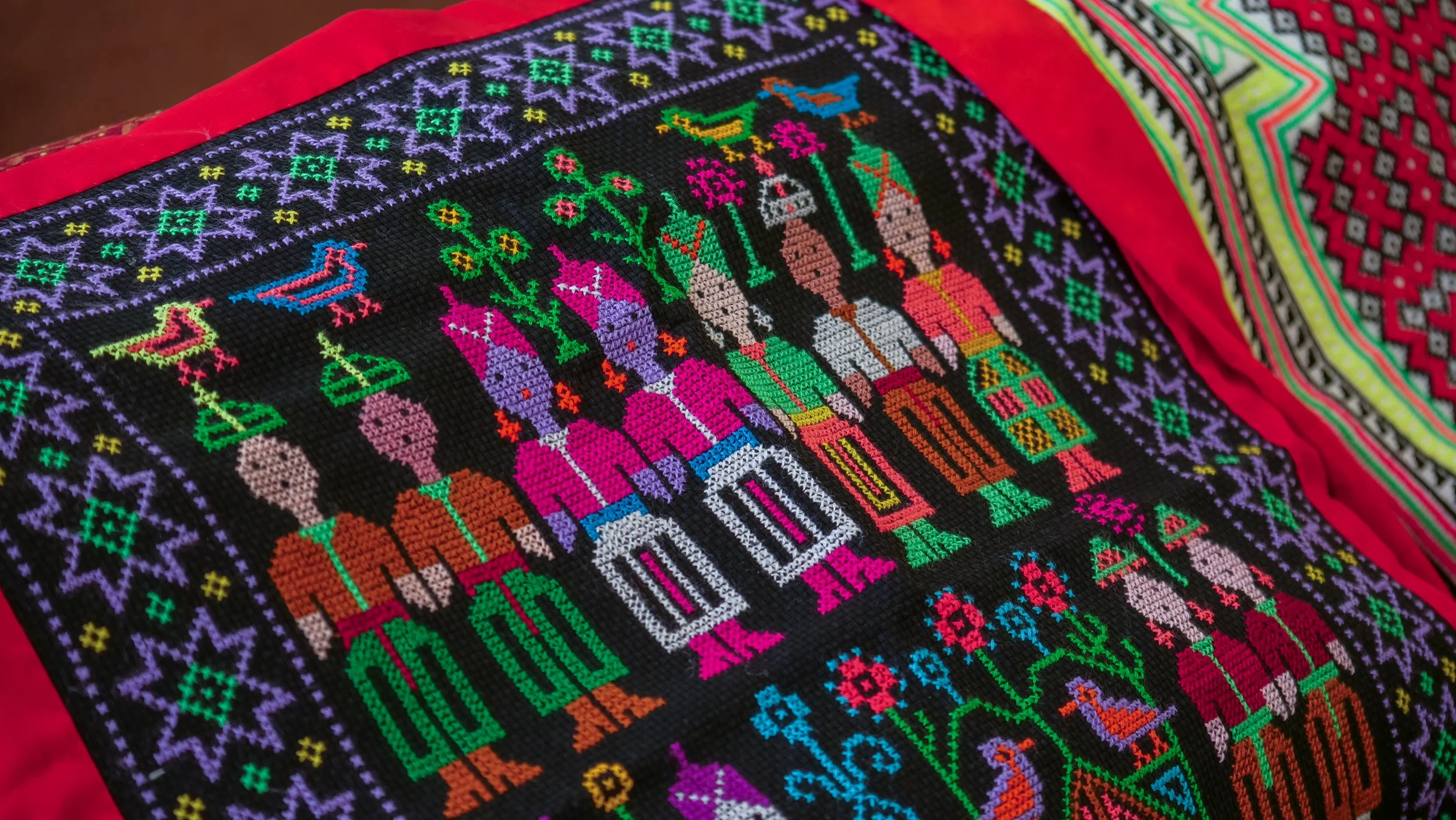
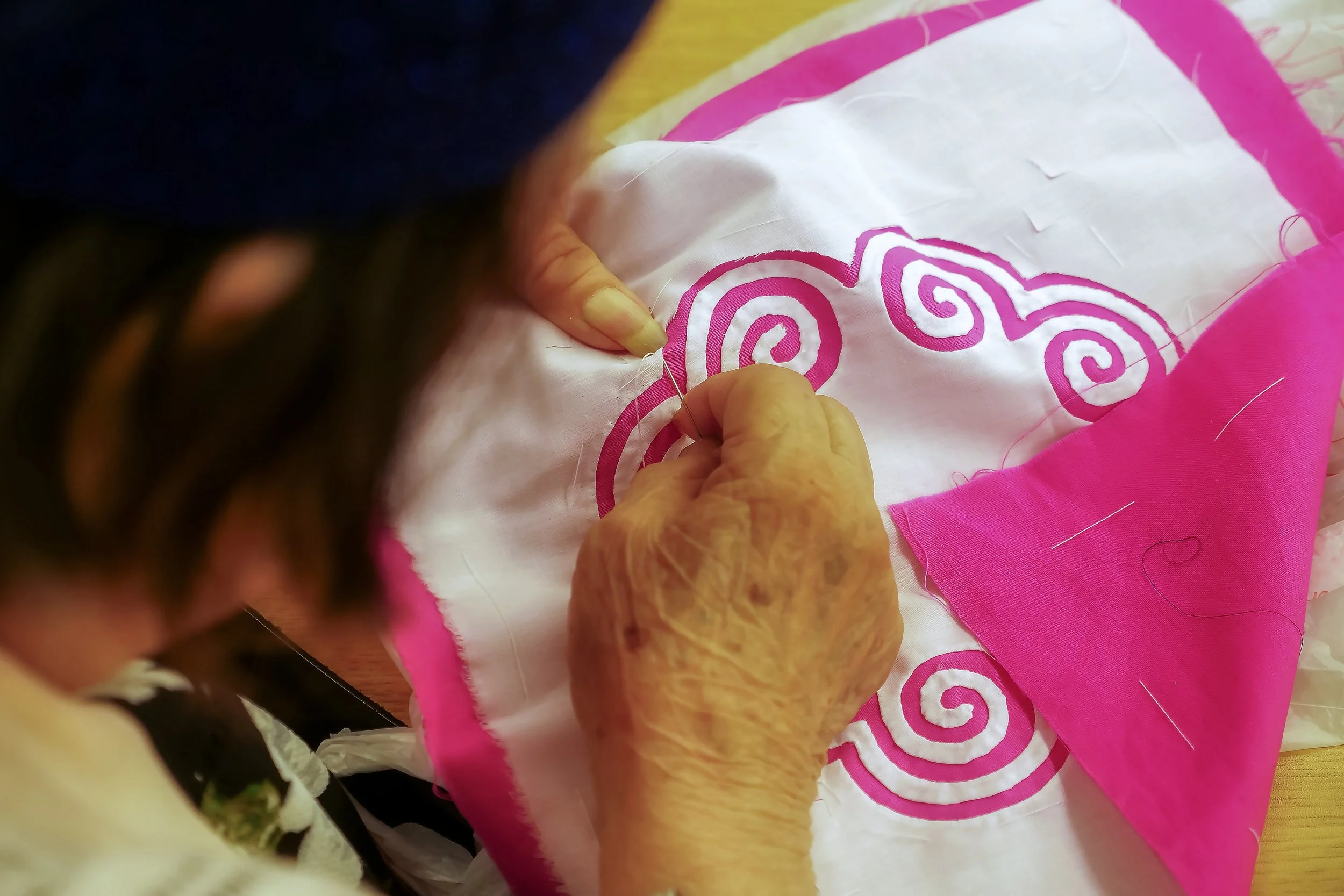
The exhibit at the Minnesota Museum of American Art will showcase different paj ntaub techniques including the modern technique of the story cloth. The story cloth on display highlights a Hmong textile that only emerged when Hmong were living in refugee camps in Thailand. Hmong women sewed stories of Hmong history and legends onto square clothes to make an income during hard times.
The fading art of Batik
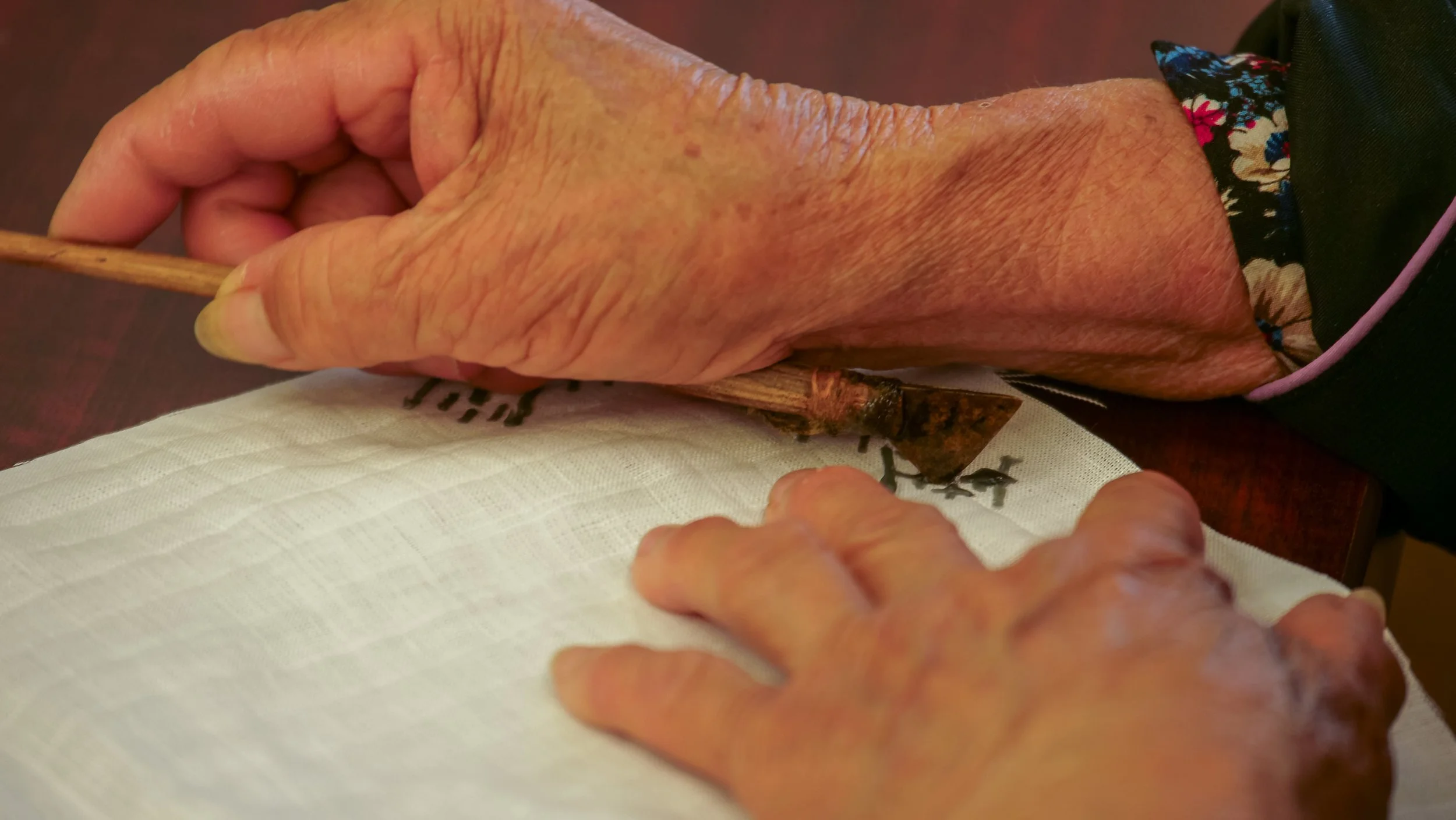
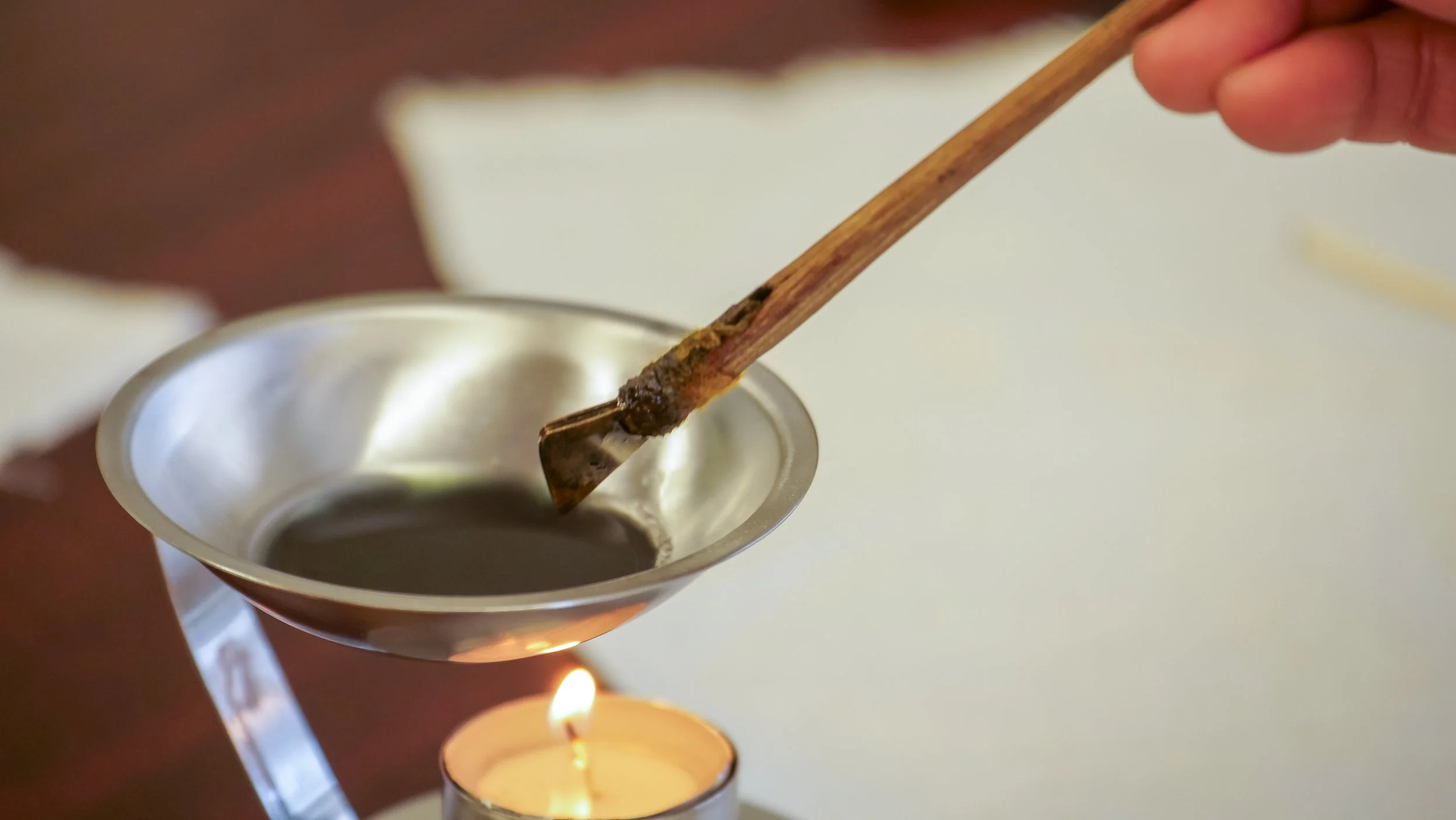
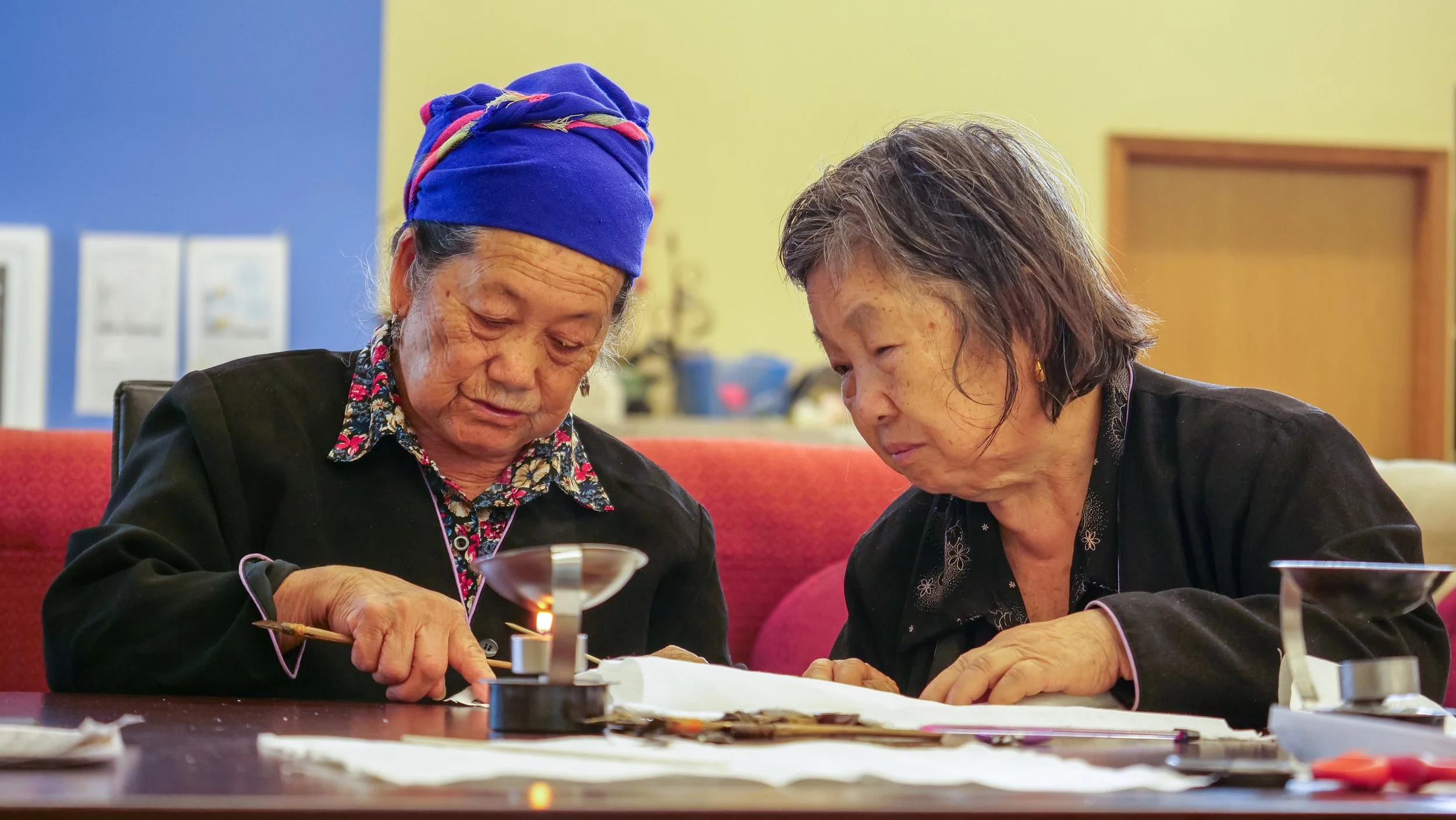
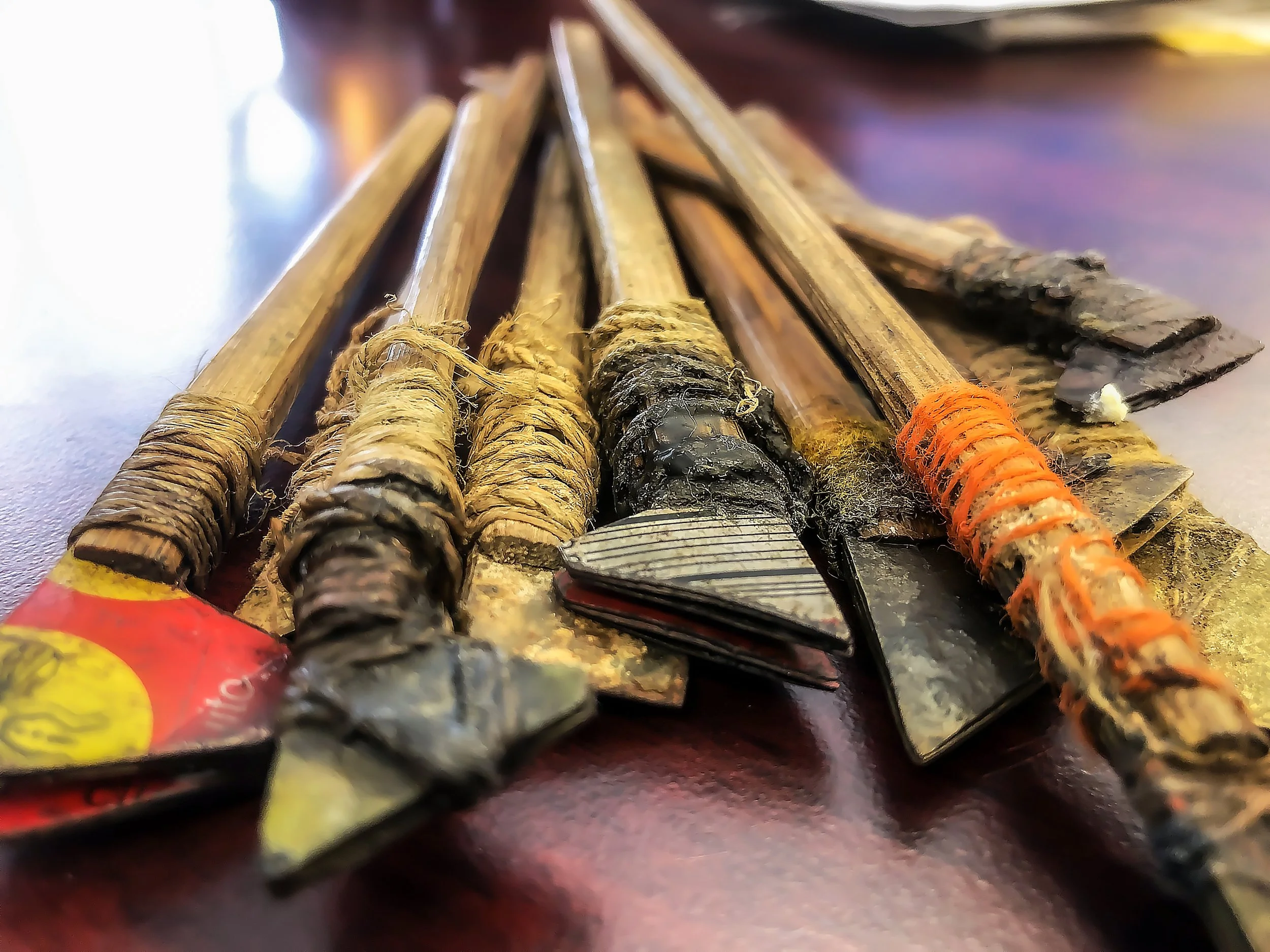
Artists carefully draw a meticulous pattern on the white hemp fabric with wax. Once the wax hardens, the fabric is dyed with indigo revealing the hand-drawn pattern.
Due to the time-consuming process, few practice this craft. Much of what are sold today are mass produced.
References
Paj Ntaub: Textile Techniques of the Hmong. Joyce Roland Smith. September 10, 2014
Stitching Our Stories: Hmong Batik and the Life of Ms. Xue Xiong. Bao Xiong. December 23, 2013
Thank you to our amazing partners.